
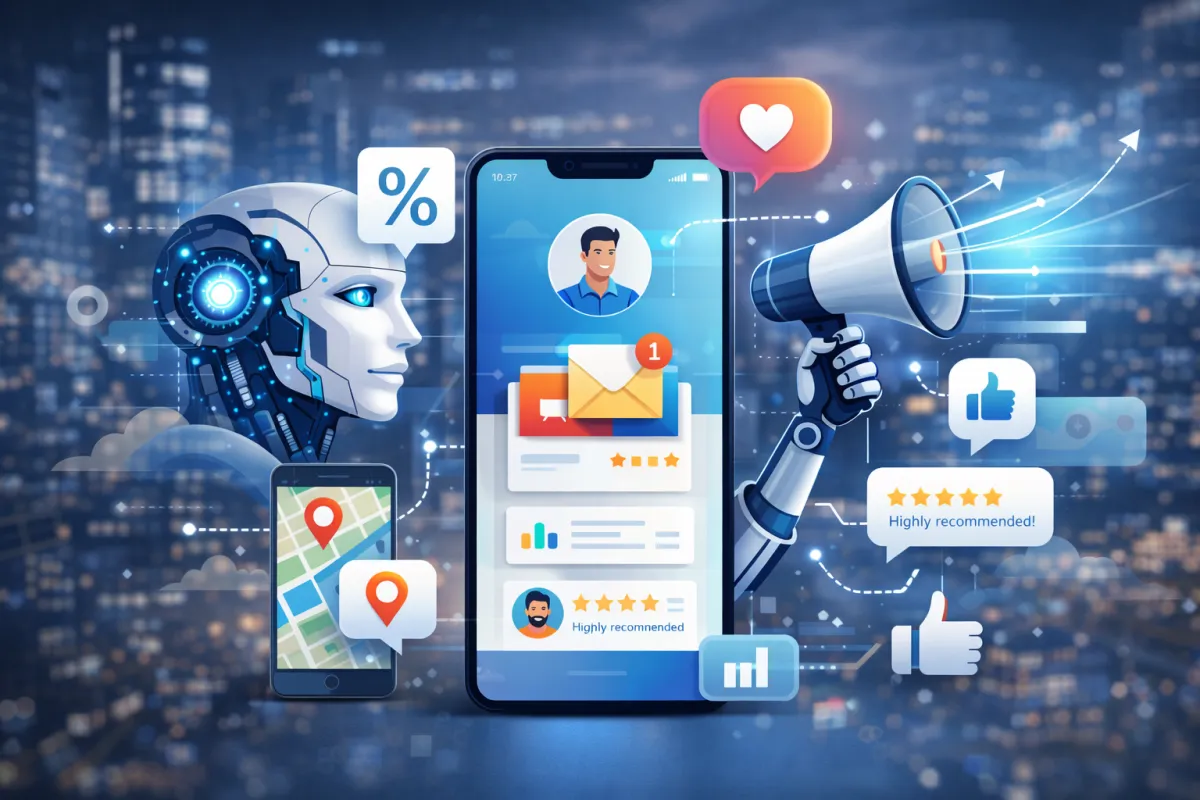
Mobile Marketing Automation in 2026: AI & Real-Time Triggers
In 2026, the digital landscape is evolving at lightning speed, and mobile marketing automation has become a crucial tool for businesses looking to drive growth, enhance user engagement, and increase conversions.
As UnKAGED Media helps brands scale their visibility, AI-powered mobile marketing automation has taken center stage as a game-changer for how businesses interact with their mobile-first customers.
This blog explores how AI and real-time triggers are revolutionizing the way brands engage with users, and how these advancements can elevate your mobile marketing efforts to new heights.
What Is Mobile Marketing Automation?
Mobile marketing automation refers to the use of software and intelligent systems to automate and optimize marketing interactions on mobile devices, including push notifications, in‑app messages, SMS, email, and other mobile channels, based on user behavior, preferences, and engagement signals. These systems allow brands to deliver timely, personalized communication without manual intervention.
Unlike traditional marketing automation (which often centers on email and web campaigns), mobile marketing automation is built around real‑time responsiveness and context, reacting instantly to what users do inside an app or mobile web session.
Why It Matters in 2026: The New Era of Engagement
1. AI as the Marketer’s Copilot
In 2026, AI isn’t just a buzzword, it's the engine driving smarter automation. According to industry trend reports, AI now acts as a co‑pilot for marketers, helping build flows, test variations, and personalize messaging at scale. AI systems analyze massive datasets and recommend triggers, delays, and messaging angles based on patterns and gaps they detect, freeing marketers to focus on strategy and creativity.
This shift means automation platforms learn and adapt rather than just execute predefined rules, making campaigns far more intelligent and effective.
2. Real‑Time Triggers Drive Better Engagement
Mobile marketing automation is most powerful when it reacts to a user’s behavior in the moment. Rather than sending pre‑scheduled messages, modern automation platforms can:
Track in‑app behavior (e.g., screens visited, feature usage)
Trigger messages based on specific actions or lack of action
Deliver timely nudges that align with user intent
For example, a user who browses a particular category in your mobile app but doesn’t complete an action can receive a personalized push notification encouraging them back, within seconds. This real‑time responsiveness significantly boosts engagement and retention.
3. Personalization at Scale
Today’s automation goes beyond inserting a name into a message. Modern mobile automation platforms leverage user preferences, behavior history, and contextual data to tailor communication in ways that feel one‑to‑one rather than generic. AI plays a central role here, analyzing patterns to determine the most relevant message for each user, at the right time.
Key Channels Enhanced by Automation
To meet users where they are, mobile marketing automation works across several powerful mobile channels:
Push Notifications
Push notifications remain one of the most impactful ways to re‑engage users, especially when used smartly. In 2026, best practices focus on permission‑based outreach, relevance, and timing to avoid fatigue and opt‑outs.
SMS Messaging
Despite the rise of in‑app channels, SMS remains a valuable part of the mobile automation stack, especially for urgent alerts, confirmations, and time‑sensitive offers. Studies show SMS still delivers unmatched immediacy, often reaching users within minutes.
In‑App Messages
In‑app messages, delivered while users are active within an app, help guide user journeys, highlight features, and offer contextual prompts to drive actions.
What AI Brings to the Table
AI is the defining force behind next‑generation mobile marketing automation:
Predictive Analytics: AI predicts user actions based on historical and real‑time data, allowing marketers to anticipate needs and deliver the right message before the user even requests it.
Dynamic Personalization: Instead of static segmentation, AI enables dynamic, on‑the‑fly personalization as user behavior evolves.
Optimization & Self‑Learning: AI systems can test and adjust campaigns without manual oversight, continuously improving performance.
This translates into engagements that feel more human, timely, and relevant, even at massive scale.
Real‑World Impact in 2026
Organizations that adopt mobile marketing automation powered by AI are seeing measurable benefits:
Increased engagement rates due to tailored, real‑time messaging
Higher retention as users receive precisely the content they find valuable
Greater operational efficiency by offloading repetitive tasks to automation
Better data‑driven insights to guide future strategy
Tools and platforms across the industry, such as Attentive (a leading mobile AI engagement platform used by thousands of businesses), reflect this shift toward personalized, multi‑channel automation at scale.
Best Practices for Success
To fully leverage mobile marketing automation in 2026:
Prioritize Real‑Time Data: Triggers should fire based on live behavior, not delayed syncs.
Use AI for Predictive Targeting: Don’t just react, anticipate user needs and position timely outreach.
Respect User Preferences: Avoid message fatigue by segmenting users thoughtfully and respecting opt‑in choices.
Blend Channels Seamlessly: Integrate push, SMS, in‑app, and email into unified automated journeys.
The Future of Mobile Marketing is Now
By 2026, mobile marketing automation has matured into a strategic growth engine, not just a messaging tool. With AI and real‑time triggers driving highly personalized engagement, brands that adopt these technologies will outpace competitors in retention, conversion, and customer loyalty.
If you want to boost customer engagement and build meaningful mobile experiences in 2026 and beyond, mobile marketing automation, powered by AI and real‑time intelligence, isn’t just optional, it’s essential.
FAQs About Mobile Marketing Automation
What is mobile marketing automation?
It’s the use of software to send personalized, automated messages to users on mobile devices based on their behavior.
How does AI improve mobile marketing automation?
AI analyzes user data to send more relevant, timely messages and optimize campaigns automatically.
What are real-time triggers?
Real-time triggers are automated messages sent immediately based on user actions, like cart abandonment.
Why is mobile marketing automation important?
It helps businesses engage users at scale, improving retention, conversions, and overall customer experience.
Which channels work best for mobile marketing automation?
Push notifications, SMS, and in-app messages are the most effective channels for automation.